
Table of Contents
- Overview
- TheNakedNYC YouTube Highlights
- TheNakedNYC Instagram Highlights
- Growth of the NYC Jet Ski Invasion
- Organizers and the NYC Pirates
- Safety, Regulation, and Oversight
- Event Logistics and Schedule
- Rules, Leadership, and Route
- Philanthropy and Community
- Criticism and Concerns
- Broader Context of Watercraft in NYC
- Wrapping Up
Overview
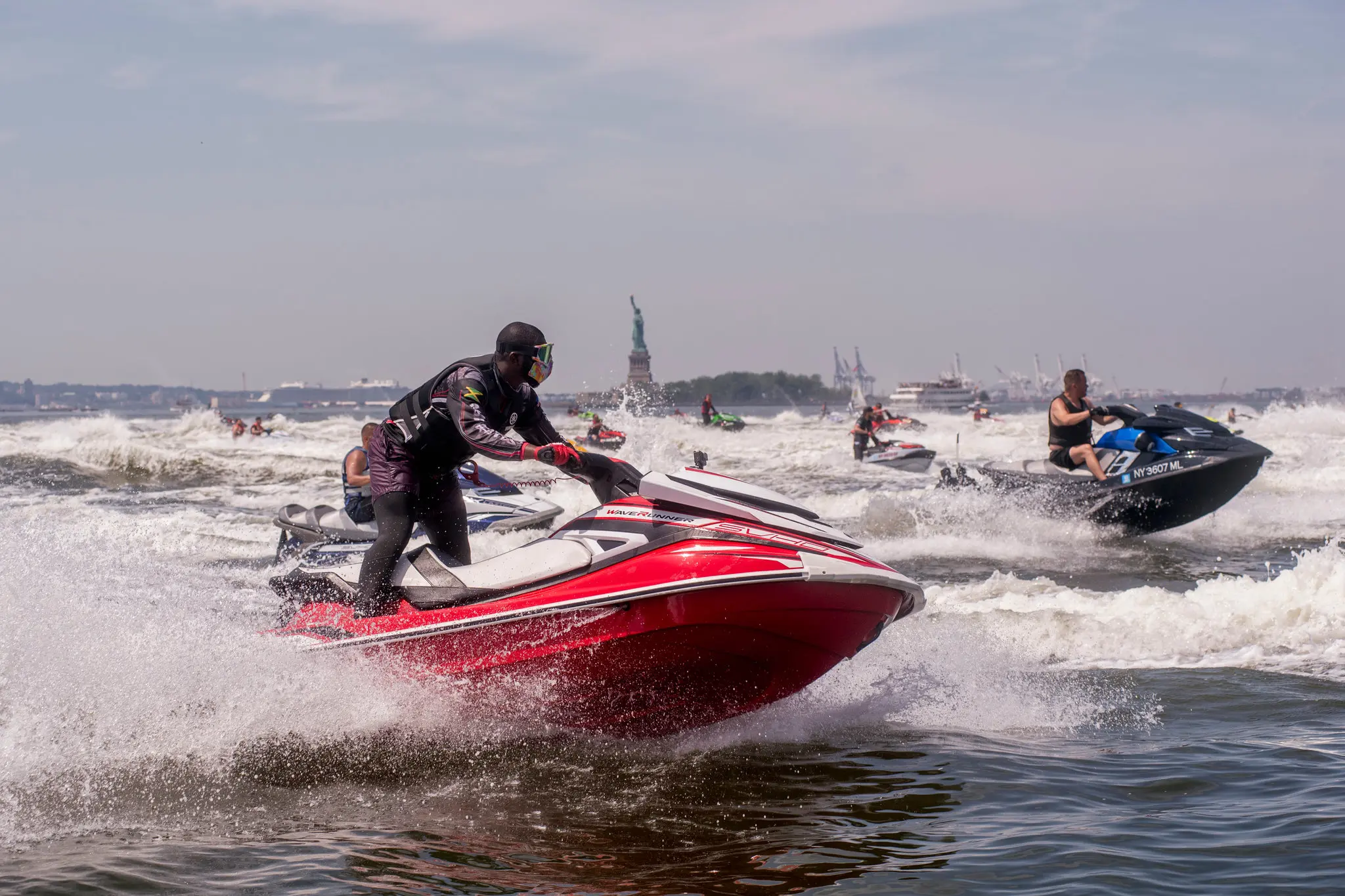
NEW YORK, NY — The NYC Jet Ski Invasion 2025 took place on June 28, 2025, transforming the city’s waterways into a dramatic waterway spectacle. Hundreds of riders launched from the iconic Pepsi-Cola sign on Roosevelt Island and circled Manhattan, creating a striking display that captivated onlookers across the city.
Front-line leaders in bright vests guided the flotilla at controlled speeds of 10–25 mph. Their direction ensured steady movement and minimized risks. The U.S. Coast Guard, NYPD, and FDNY provided escort services, enforcing strict safety measures and maintaining full operational oversight. Each participant completed mandatory safety certification, with many trained through the online Boat-Ed program.
The event raised thousands of dollars for charitable causes, reinforcing its strong tradition of community support and sponsorship. Hundreds of riders created a dramatic spectacle across New York waterways. Spectators waved from ferries and waterfronts. The spectacle impressed observers.
Critics again voiced concerns about noise and safety. Supporters countered with praise, highlighting expanded public access to New York’s waterways.
Founder James Reichelt, joined by the NYC Pirates, emphasized responsibility and their vision of positioning New York as a global hub for jet-ski culture. For more information on future events, visit nycinvasion.com.
TheNakedNYC YouTube Highlights

TheNakedNYC Instagram Highlights
Growth of the NYC Jet Ski Invasion
The NYC Jet Ski Invasion began in 2017, offering enthusiasts a thrilling collective experience. Local jet ski clubs organized the event together, setting the tone for community-driven celebration. Nearly 200 riders joined that first year, laying the foundation for what became a dynamic annual tradition.
Participation increased rapidly. From 200 riders in the inaugural year, numbers climbed steadily to 300–400. By 2025, the Invasion drew between 600 and 800 riders annually. Organizers highlight this expansion as evidence of strong interest.
Organizers and the NYC Pirates
James “Whiteboy” Reichelt, a tattooed handyman, founded and continues to lead the NYC Jet Ski Invasion. He rides a lime-green jet ski emblazoned with a Jolly Roger insignia and flag, symbolizing the group’s daring spirit.
Reichelt first gained recognition by organizing boat parties. In 2006, he founded the New York City Pirates, a thrill-seeking watercraft team. Over time, the Pirates developed into a structured group of 80 members, including subway conductors, retired officers, and construction workers.
Members pay dues, host events such as Christmas parties, and remain loyal to Reichelt, even when his leadership proves demanding. Reichelt humble, resourceful, and always ready to solve problems.
For Reichelt, the Invasion represents a lifestyle, envisioning New York as a jet-ski destination to rival Miami.
Safety, Regulation, and Oversight
The U.S. Coast Guard, NYPD Harbor Patrol, and FDNY oversee the event to ensure safety. Their presence provides structured regulation across New York’s busy waterways. Approval requires additional provisions. Medical boats and dedicated security must be present, consistent with Coast Guard standards for large maritime gatherings. For now, the Invasion proceeds under tolerance, with strict expectations that participants maintain order and follow established safety protocols.
New York law requires all riders to complete a boater safety course before participating. Certification remains accessible online through the Boat-Ed program, ensuring consistent training for all entrants.
Event Logistics and Schedule
Riders gather at the iconic Pepsi-Cola sign on Roosevelt Island, located near 1 FDR Four Freedoms Park. The Invasion occurs on the final weekend of June, beginning promptly at 10:30 a.m., and continues regardless of weather conditions. Organizers advise riders to check forecasts carefully, prepare for possible ramp delays, and, when local, consider launching the night before. The event runs for approximately two hours, covering key stretches of New York’s waterways.
Rules, Leadership, and Route
Front-line leaders in neon or orange vests set the flotilla’s pace at 10–25 mph. They enforce order with whistles, ensuring riders remain disciplined. No participant may pass them under any circumstance.
Riders advance together as one flotilla, a formation that protects them from heavy commercial boat traffic on New York’s waterways. The route begins at Roosevelt Island, continues south through the East River, passes the Statue of Liberty, and turns north on the Hudson, circling Manhattan.
Safety boats, Coast Guard units, and police vessels escort the group. Their presence provides constant oversight and reinforces security throughout the journey.
Philanthropy and Community
Teams and sponsors contribute donations each year, making philanthropy a central tradition of the NYC Jet Ski Invasion. This commitment reflects the event’s dedication to community service as well as celebration.
In one recent year, riders raised $8,000 for the U.S. Coast Guard, strengthening ties with the city’s maritime guardians. Organizers continue to emphasize charitable giving. They also seek future sponsorships to expand their impact and sustain this tradition of generosity.
Criticism and Concerns
Kayakers and commercial captains frequently criticize jet skis, often comparing their culture to bikers of the surf. Many city boaters disdain personal watercraft, citing fears of collisions and unpredictable accidents on crowded waterways.
There is concern about serious accidents. Riders sometimes performed for spectators instead of navigating responsibly. Online boating groups also raised complaints about noise and disruption from jet skis, Sea-Doos, and WaveRunners, which can exceed 70 mph. Reckless riders could jeopardize seasoned mariners’ hard-earned safety records.
Broader Context of Watercraft in NYC
New York features extensive waterways yet remains less known for water sports. The Jet Ski Invasion stands out as a rare exception. Rising jet ski tourism and expanding ferry routes have also increased congestion in New York Harbor, intensifying competition for space.
Jet skis provide affordable entry into boating, unlike yachts or competitive sailboats. Typical jet skis cost $5,000–$15,000, far less than most traditional vessels.
Corporate-sponsored sailboat races often close large portions of the Hudson River. Yet gatherings of jet skis, despite being smaller in scale, attract far more complaints. Reichelt acknowledged the heightened scrutiny. He stressed responsibility and caution as essential for preserving the event’s future.
Wrapping Up
The 2025 NYC Jet Ski Invasion left a vivid mark on New York’s summer and its waterways. Hundreds of riders showcased unity, discipline, and community spirit across one of the busiest harbors in the world.
The event highlighted how personal watercraft culture has matured, balancing thrill with responsibility and safety oversight. Organizers demonstrated that recreation on New York’s rivers can coexist with order, philanthropy, and civic partnership.
The Pirates and their leader James Reichelt showed resilience, steering the event toward growth and higher recognition. This years’ experience signals the potential for New York to rival global jet-ski destinations like Miami. Future events will demand careful stewardship to sustain momentum while addressing ongoing safety and community concerns.
For more information on future events, visit nycinvasion.com.



Leave a Reply